

Fuel Your Midlife with Fiber
By: Dr. Jackie Piasta, DNP, WHNP-BC, MSCP
A Simple Upgrade with Powerful Benefits
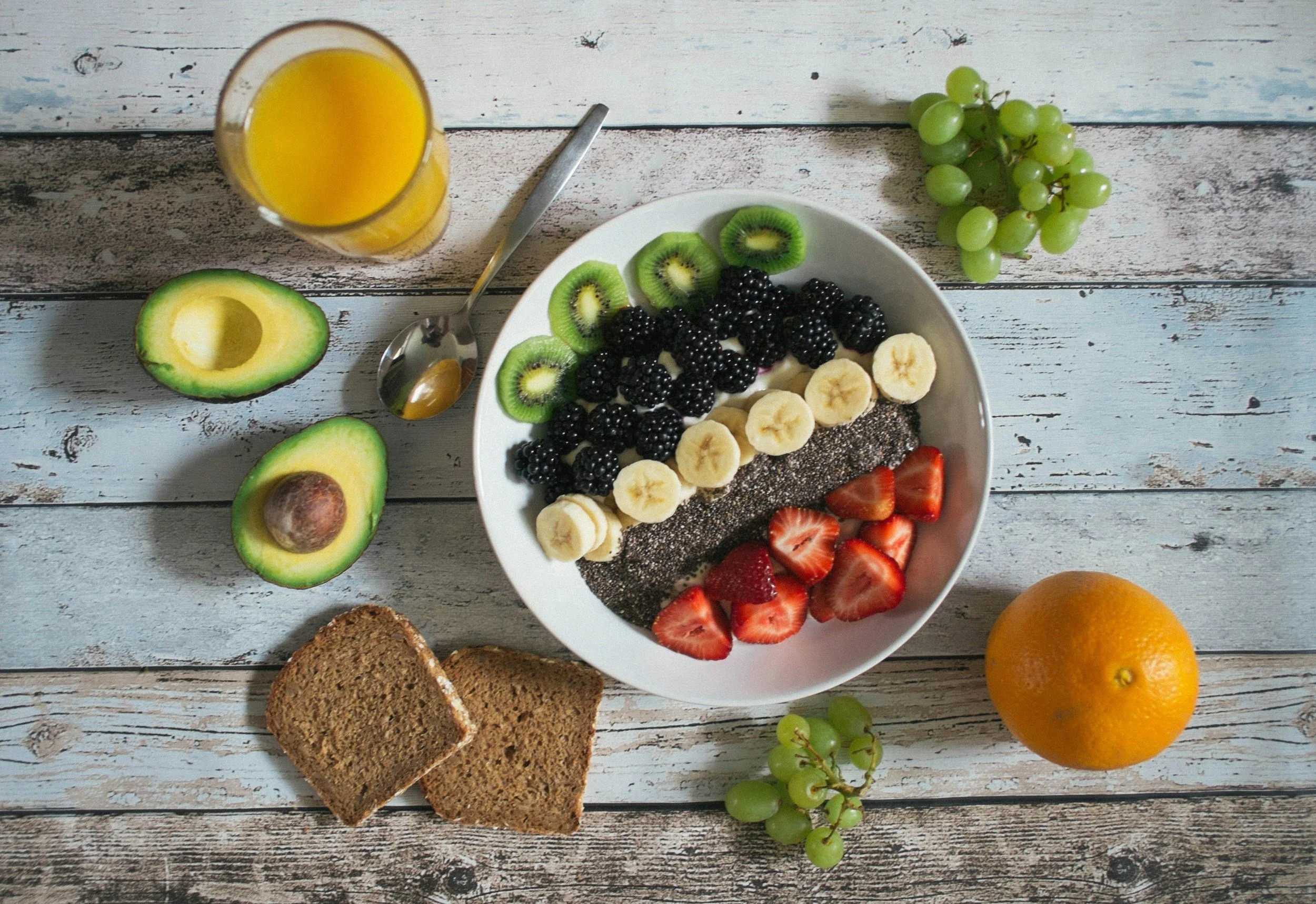
When we talk about nutrition, most of the spotlight goes to protein, carbs, and fats. But there’s an unsung hero that deserves center stage, especially in midlife: fiber.
The reality is most of us are not getting enough fiber in our daily nutrition. Adding more fiber is one of the easiest and most effective changes you can make for better hormones, metabolism, and overall wellbeing.
What Exactly Is Fiber?
Fiber is the part of plant foods that your body can’t fully digest. Instead of being broken down for calories, it travels through your digestive system and gets to work in helpful ways.
There are two main types:
Soluble fiber – dissolves in water and helps lower cholesterol and stabilize blood sugar
Insoluble fiber – adds bulk to stool and keeps digestion moving smoothly
You need both kinds for optimal health.
Why Fiber Matters More as We Age
During perimenopause and menopause, many women notice new challenges:
Slower digestion
Rising cholesterol
Increased blood sugar
Stubborn weight gain
Bloating and irregularity
Fiber directly supports each of these concerns.
Here are some of the high points:
1. Better Blood Sugar Control
Fiber slows the absorption of carbohydrates, preventing spikes and crashes. That means steadier energy and fewer cravings.
2. Heart Health Support
Soluble fiber binds to cholesterol in the gut and helps remove it from the body. This is huge, as cardiovascular risk naturally increases after menopause.
3. Gut Microbiome Balance
Your good gut bacteria feed on fiber. A healthy microbiome is linked with improved mood, immune function, and even healthier estrogen metabolism.
4. Weight Management
High-fiber meals help you feel full longer. Many patients find that increasing daily fiber makes portion control far more natural.
5. Regular Bowel Function
Constipation is common in midlife. I know it sounds crazy, but you should ideally be having a bowel movement EVERY SINGLE DAY. Fiber and adequate water are a dynamic duo for keeping you comfortable and consistent.
How Much Fiber Do You Need?
Most women should aim for:
At least 30-40 grams per day
The average American woman gets barely half that amount. So if you’re not paying attention to fiber, you’re likely falling short.
Fantastic Sources of Fiber
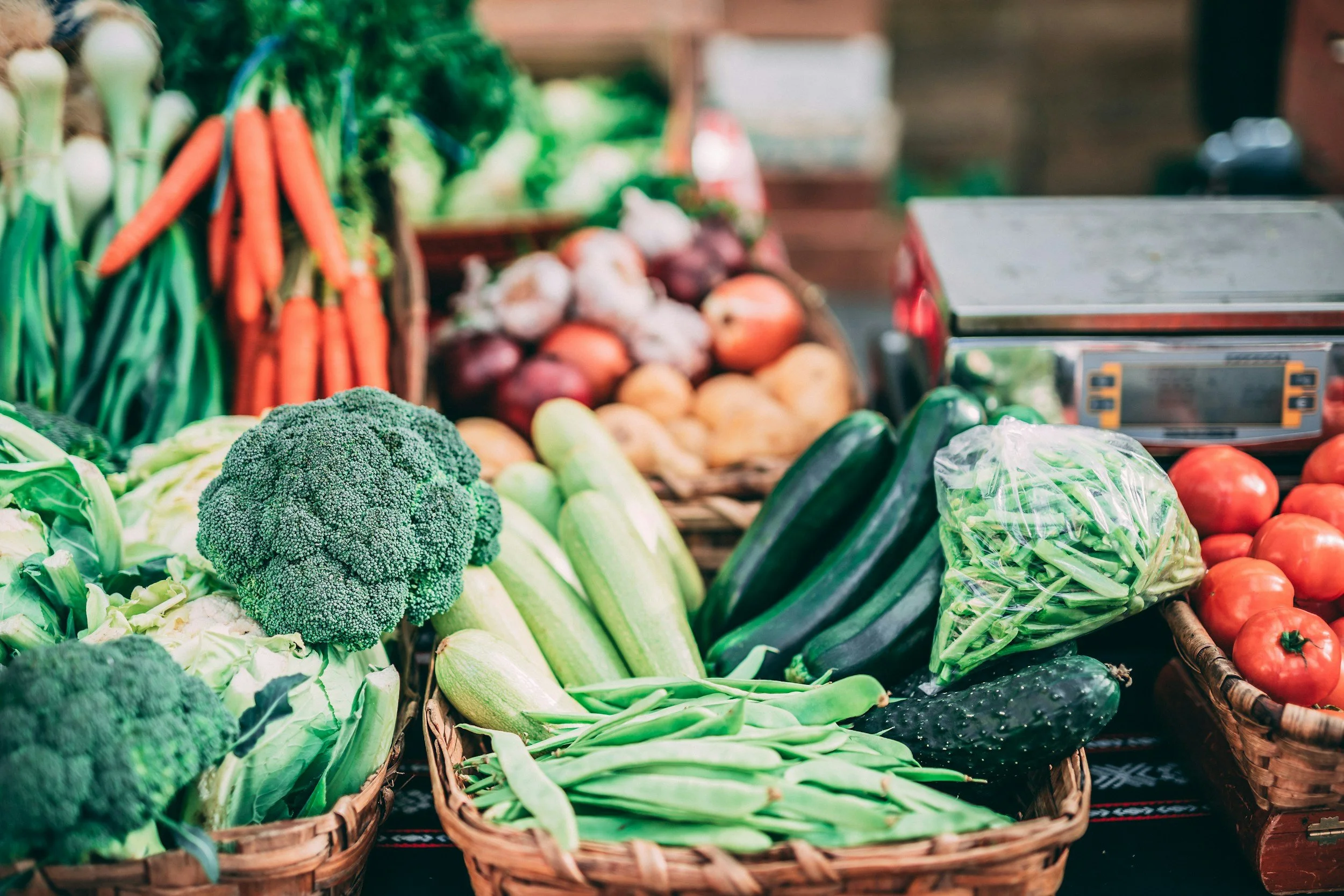
Think plants first!
Great options include:
Beans and lentils
Chia seeds and flax seeds
Oats
Berries
Apples and pears
Avocado
Broccoli, carrots, leafy greens
Whole grains like quinoa and farro
A simple goal: try to include a fiber-rich food at every meal.
Should You Use Supplements?
Sometimes, yes.
While we prefer whole-food fiber, supplements can be useful if:
You struggle with IBS or sensitive digestion
You’re transitioning to healthier eating
You need help reaching daily targets
Psyllium husk, methylcellulose, or inulin can be good options—but add them slowly to avoid gas and bloating.
Tips to Add More Fiber without the “Fluff”
Increase gradually—don’t jump from 10 to 30 grams overnight
Drink plenty of water
Add 1 tablespoon chia seeds to yogurt or smoothies
Choose fruit instead of juice
Try a half-cup of beans daily
Small steps, big impact.
Try this High Protein Bean Salad Recipe.
Ingredients
For the Salad
1 can cannellini beans, rinsed and drained
1 can chickpeas, rinsed and drained
1½ cups shelled edamame, cooked and cooled
1 cup cucumber, diced
½ cup sweet onion, diced
1½ cups cherry tomatoes, quartered
½ cup kalamata olives, chopped
1 cup feta cheese, crumbled or diced from a block
⅓ cup parsley, finely chopped
For the Dressing
2 tablespoons white balsamic vinegar, or white wine vinegar
2 tablespoons fresh lemon juice
¼ cup olive oil
½ tablespoon honey
1 clove garlic, finely minced or microplaned
1 teaspoon Dijon mustard
1 teaspoon Italian seasoning
½ teaspoon salt
Optional: freshly ground black pepper to taste
Instructions
In a large bowl, combine the cannellini beans, chickpeas, cooled edamame, cucumber, onion, tomatoes, olives, feta cheese, and parsley.
In a small bowl, add all the dressing ingredients and whisk thoroughly until smooth and well combined.
Pour the dressing over the salad mixture and toss gently until everything is evenly coated.
Taste and adjust with additional salt and pepper if desired.
Serve chilled or at room temperature. The flavors get even better after sitting for a few hours in the fridge.
Nutrition
Per serving (about 1.5 cups):
Calories: 424 kcal, Carbohydrates: 40 g, Protein: 19 g, Fat: 23 g, Saturated Fat: 6 g, Fiber: 11 g, Sugar: 6 g, Sodium: 1248 mg, Potassium: 547 mg, Calcium: 303 mg, Iron: 5 mg, Vitamin A: 776 IU, Vitamin C: 17 mg
Nutrition information is automatically calculated and should be used only as an estimate.
The Monarch Health Takeaway
Fiber is a foundational tool for thriving through the decades. It supports your gut, your heart, your hormones, and your metabolic health—all with minimal effort.
If you’d like personalized guidance on how to incorporate more fiber into your lifestyle, we’re here to help. Because at Monarch Health, smart nutrition is part of how we help your butterfly body soar.
Where your health soars,
The Monarch Health Team